
March 20, 2027 - March 28, 2027
Photography Tour of Nepal
Book now▾
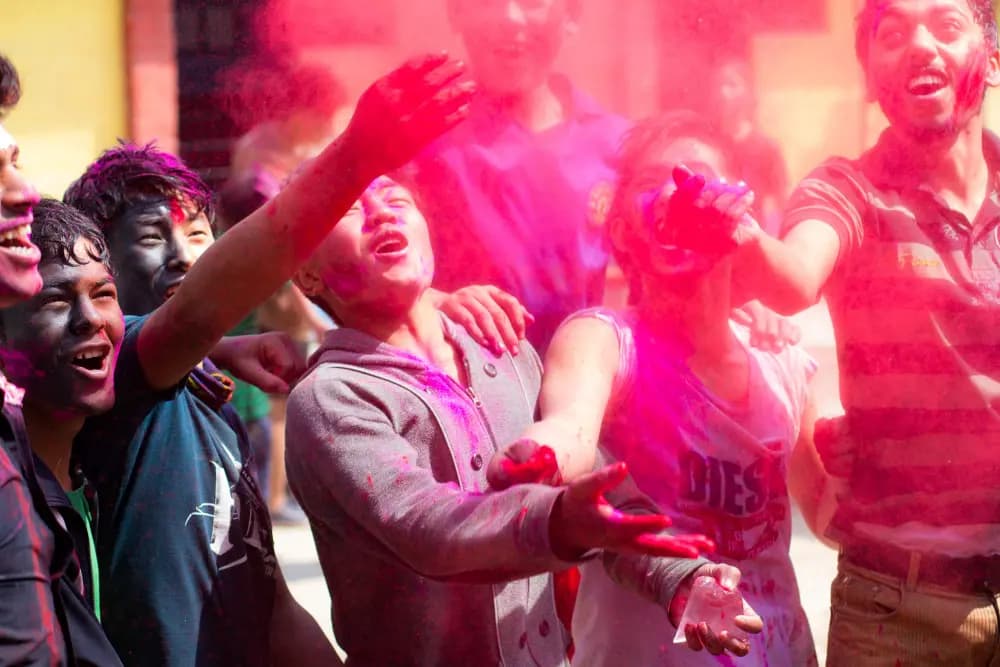
This photography tour of Nepal takes you to the land of the highest mountains on earth, of gods and legends. There are probably only a few countries on earth that exude such a magical attraction and provide as many photo opportunities as this natural and culturally rich Hindu state. As a special treat, we will be in Kathmandu when the world’s most colorful cultural spectacle takes place – the Holi Festival.
This trip will be led by: Daniel von Rüdiger who speaks Deutsch, English
Location
Where do we go?
A truly mystical country
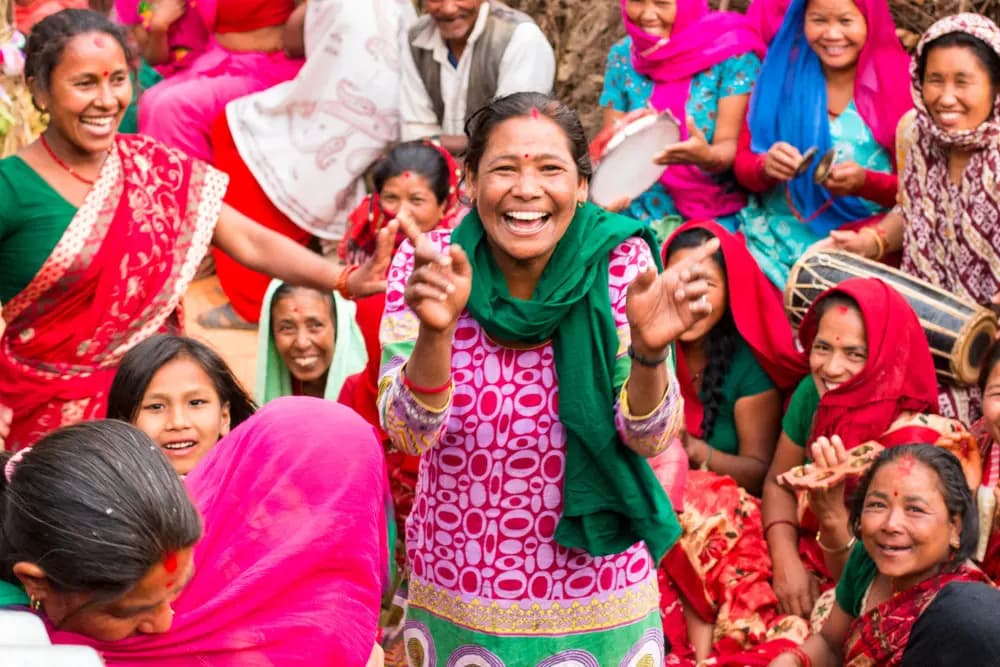
Nepal offers rich diversity in culture, nature, religion and architecture, and thus countless breathtaking photo opportunities. The capital, Kathmandu, is an El Dorado for street, reportage, portrait and architectural photography. And the surrounding area has its own lures, with wild monkeys, awe-inspiring mountain panoramas, remote monasteries and villages that seem to be apart from time. Our travel date offers a very special highlight – we will be there for the spectacular Holi Festival!
On top of all this comes the world-famous hospitality of the Nepalese, who like to present themselves as a little camera-shy. You will have the opportunity to explore the country off the tourist track and to come home with memories and pictures you'll cherish for life.
The trip will be led by photo instructor and filmmaker Daniel von Rüdiger and his longtime Nepalese colleague and local guide Sunil Pokera. With this team, you'll have an unbeatable combination of professional photography expertise and unique local insights and know-how about the country and people. On this trip, you'll receive some theoretical instruction, but more importantly, you'll have plenty of room to experiment and practice under the guidance of an expert. We will even start the selection and editing process while we are still on vacation, so you'll come back with an impressive and curated selection of photos and videos.
Discover Nepal through your lens
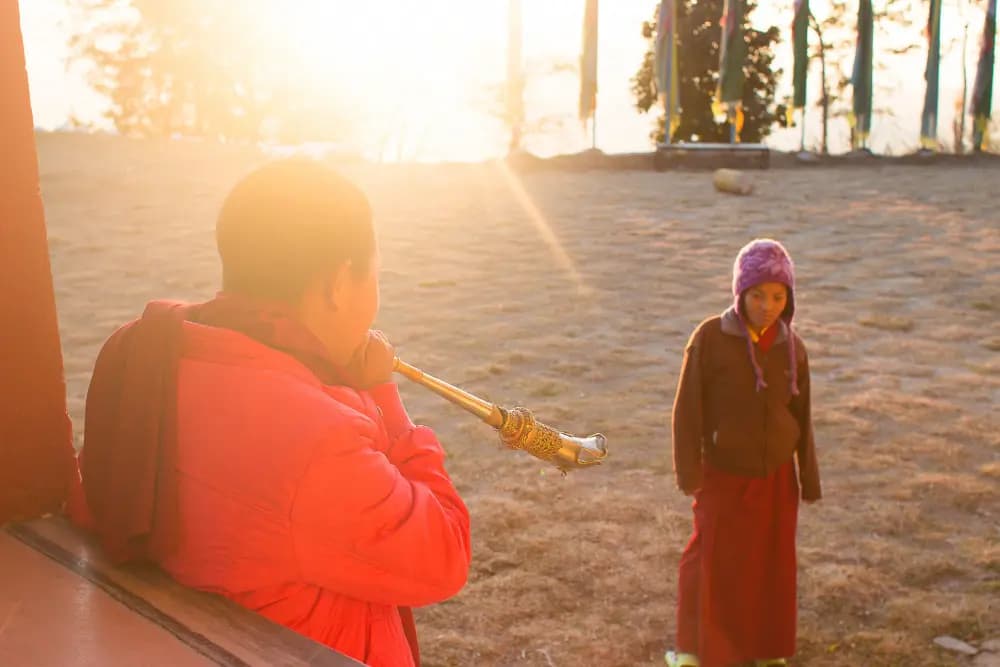
Take your photography skills to the next level while getting to know a magical land. We will throw ourselves into the hustle and bustle of Kathmandu – the paradise for street photography. We will visit temples and stupas and look for unusual architectural perspectives. We will freeze the color dust of the Holi festival in front of the temple backdrop in Katmandu in pictures and look into many smiling faces. We will capture the light over the Himalayas in landscape shots in the morning hour and get an insight into private Nepal away from tourist highlights. We visit a Nepalese school, watch carpet weavers at work and hike to a remote monastery.
Trip highlights
What you can expect from this trip
- Airport transfer, Thamel, group dinner
- Documentary portraits in Durbar Square, Monkey Temple
- Holi Festival
- Carpet weaving, women's monastery, Budhanilkantha temple complex, Nepalese orphanage & school
- Bodnath Stupa, Pashupatinath cremation site, group dinner
- Bhaktapur
- Morning in Bhaktapur, then nature photography in Nagarkot
- Himalayan sunrise, photo selection and post-processing
- Departure
See full itinerary here
Day 1
Airport transfer, Thamel, group dinner
Arrive for the first time in this new world! Stroll through lively Thamel and let yourself be carried away by endless photographic motifs. At dinner together, we will get to know one another and can enjoy the anticipation of the upcoming week!
Already during the journey from the airport to the hotel one would like to capture everything with the camera. The capital Kathmandu is a photographic sensory overload. After checking into the hotel and acclimatizing to the new world, there is the opportunity for a stroll through the narrow streets of the lively Thamel district. The immediate vicinity of the hotel already makes the heart of every travel photographer beat faster. Soy evening we can get to know each other over traditional Nepalese cuisine and talk about our passion, photography.
Day 2
Documentary portraits in Durbar Square, Monkey Temple
Beaming faces! Input on documentary portrait photography and the professional – i.e., sensitive – approach to photographing people. Take advantage of the stunning backdrop of Durbar Square as Portrait Studio.
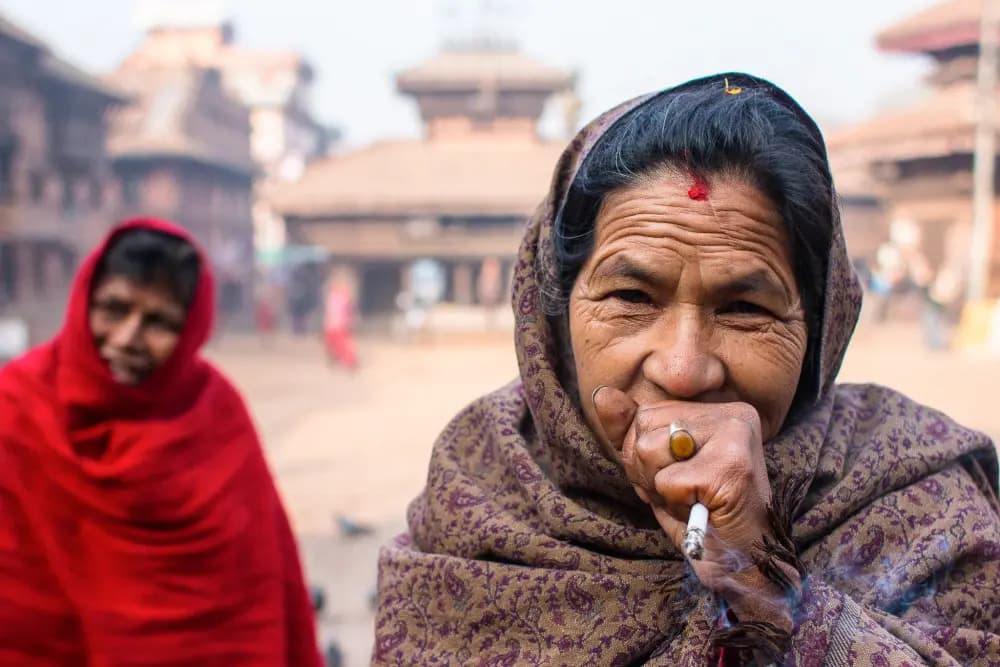
Nepal is an Eldorado for portrait photography. Especially because the Nepalese have a very positive attitude towards being photographed. Nevertheless, there are important things to consider when photographing strangers. This knowledge and sensitivity is the key to authentic portraits anywhere in the world.
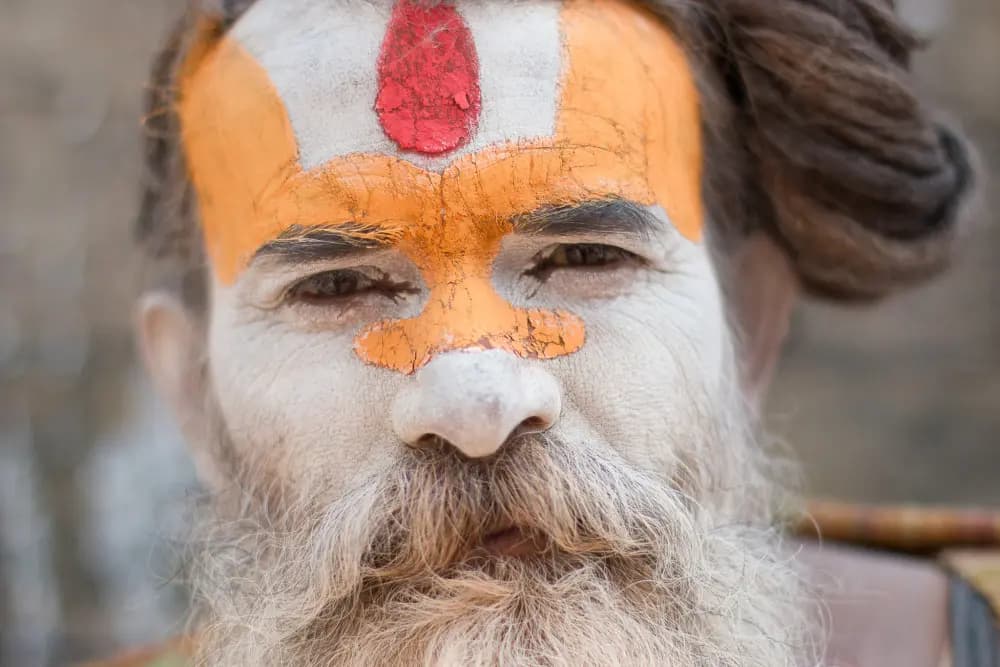
We visit the historic Durbar Square in the center of Kathmandu and let us be enchanted by its 50 pagodas, stupas, temples and palaces. Many of the temples had to be restored after the earthquake but are now back in use. The square is more than just a photo backdrop – it is the religious center of the city and is used by the population as a social meeting place and market. We will meet sadhus who will be happy to have their impressively painted faces photographed for a small donation.
After that we want to climb to the Monkey Temple (Swayambhunath). There we can not only orientate ourselves thanks to the great view of the city, but also capture many monkey portraits. We just have to take good care of our cameras so the thieving monkeys don’t steal them from us!
Day 3
Holi Festival
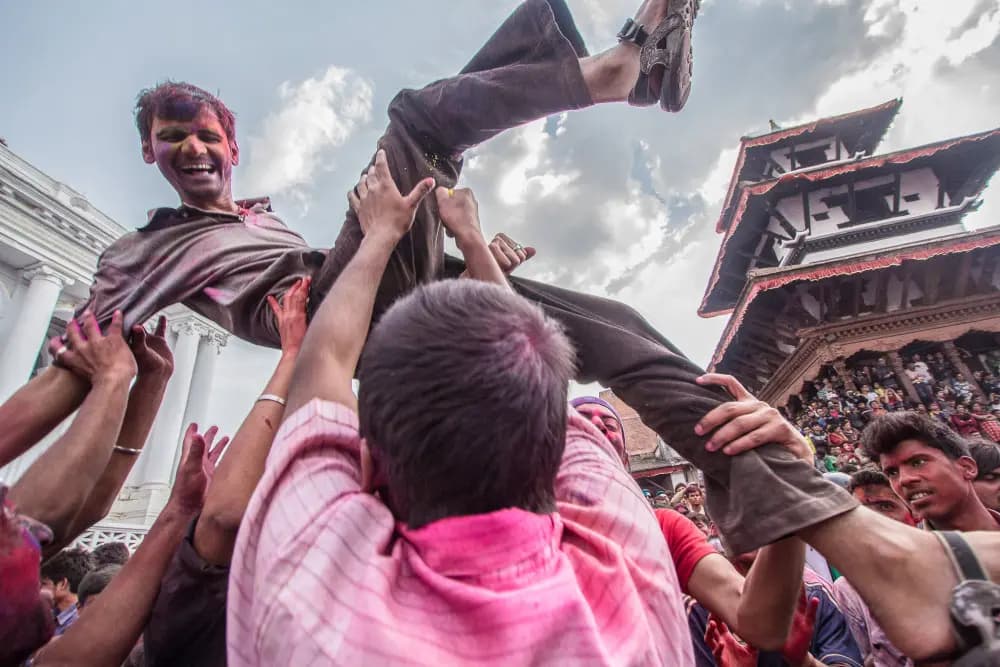
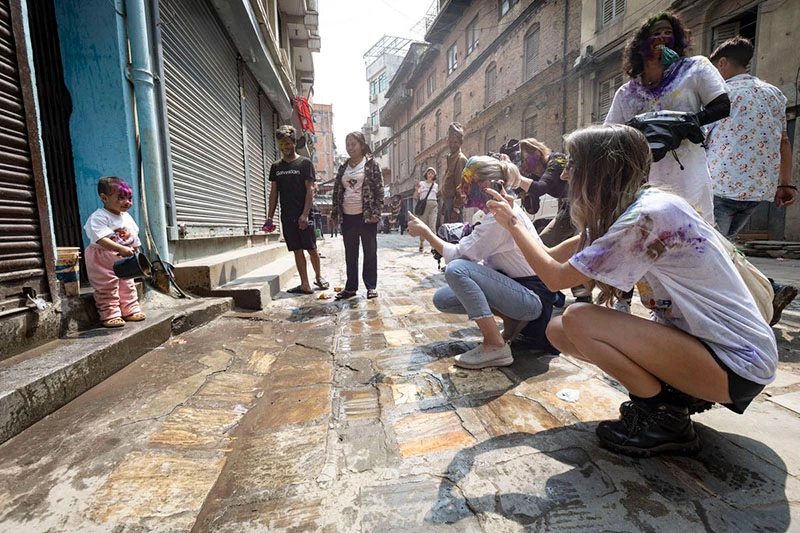
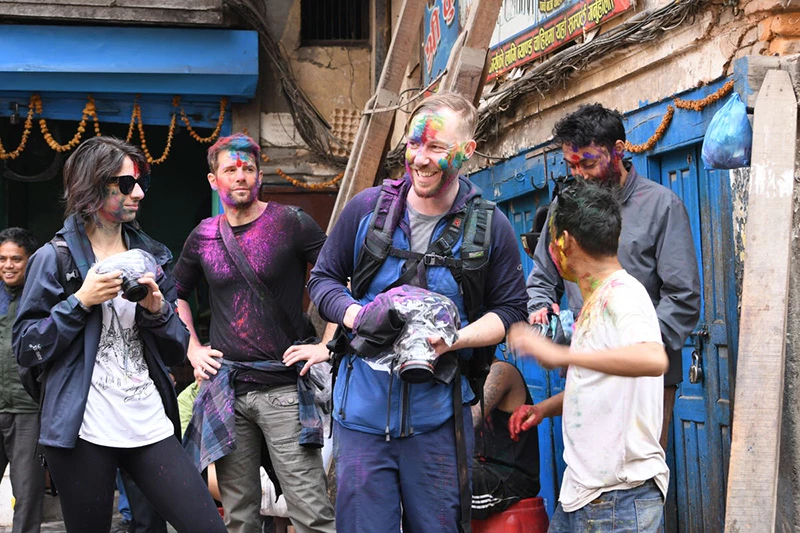
We have the chance to photograph what is surely the most colorful cultural festival in the world – the Holi Festival. This is certainly a very special highlight of the trip! Experiencing the Holi Festival authentially with the backdrop of Kathmandu is an experience of a lifetime!
After a good night’s sleep, we will set off after a street photography talk with tips and tricks for the safety of our equipment. Don’t forget to bring old clothes – we’ll all get some paint for sure. Now it’s time to get caught up in the action and let yourself be carried away by the high spirits of the people. What a joy to capture this exuberant mood. There’s dancing, singing, throwing paint and we’re right in the middle!
We’ll have to rest before dinner. Then it’s time to marvel at the treasures of the day and exchange the day’s haul on the projector. As always, there is also the opportunity to receive constructive feedback in one-to-one discussions.
Day 4
Carpet weaving, women's monastery, Budhanilkantha temple complex, Nepalese orphanage & school
Enjoy the quiet outside of the city. Document the Nepalese carpet weaving craft and ascend to a remote women’s monastery above the Kathmandu valley. In addition, an input on reportage and documentary photography, in which we work out how we tell stories with our pictures and combine individual pictures into exciting series.
After the day before in the reveling crowd, it’s now time to relax in the suburb of Budhanilkantha. There we will enjoy the tranquility of a temple complex away from the tourist crowds. Afterwards we visit the orphanage where our guide Sunil grew up and see how Nepalese schools teach. Meditation is also a subject here! The kids are looking forward to our visit and in return we will send them our photos later. We continue to the school’s carpet weaving workshop, where we can document how colorful carpet patterns are created from thousands of threads.
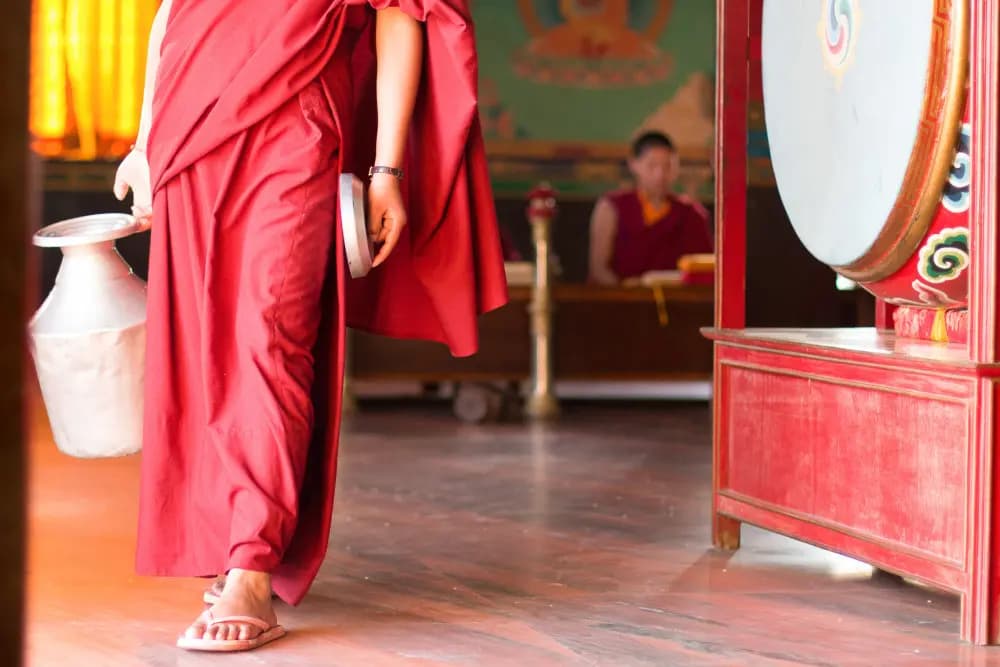
If you don’t want to go back to the hotel yet, you can take a short hike to a remote convent. Maybe we’re lucky and we can take part in the evening Buddhist mass and, if the visibility is good, look out over the entire Kathmandu Valley.
Day 5
Bodnath Stupa, Pashupatinath cremation site, group dinner
In Kathmandu alone, there are seven different UNESCO World Heritage Sites. We will take a look at the most impressive ones. In addition to the places that we visit as a group, there is also enough time to photograph another highlight or two on your own.
One of the most exciting sights we will shoot is the white Bodnath Stupa. This is one of the most important destinations for Buddhist pilgrims. In the morning, monks with shaved heads circle the impressive building in prayer. Here, portrait photography can be perfectly interwoven with architectural photography.
The Pashupatinath cremation site is also a particularly impressive place. Unlike in our culture, funerals in Nepal are public and not very intimate events. But with our camera it is still appropriate to view the ritual of the burning of the dead from the other side of the Bagmati River. Here we will meet friendly sadhus who live in asceticism but are still happy to have some change to pose for the camera. In addition to these suggestions, the day should give the opportunity to visit other highlights according to your own taste. In the evening we exchange ideas over a big dinner. Then it’s time to pack up to set up our new camp in Bhaktapur the next morning.
Day 6
Bhaktapur
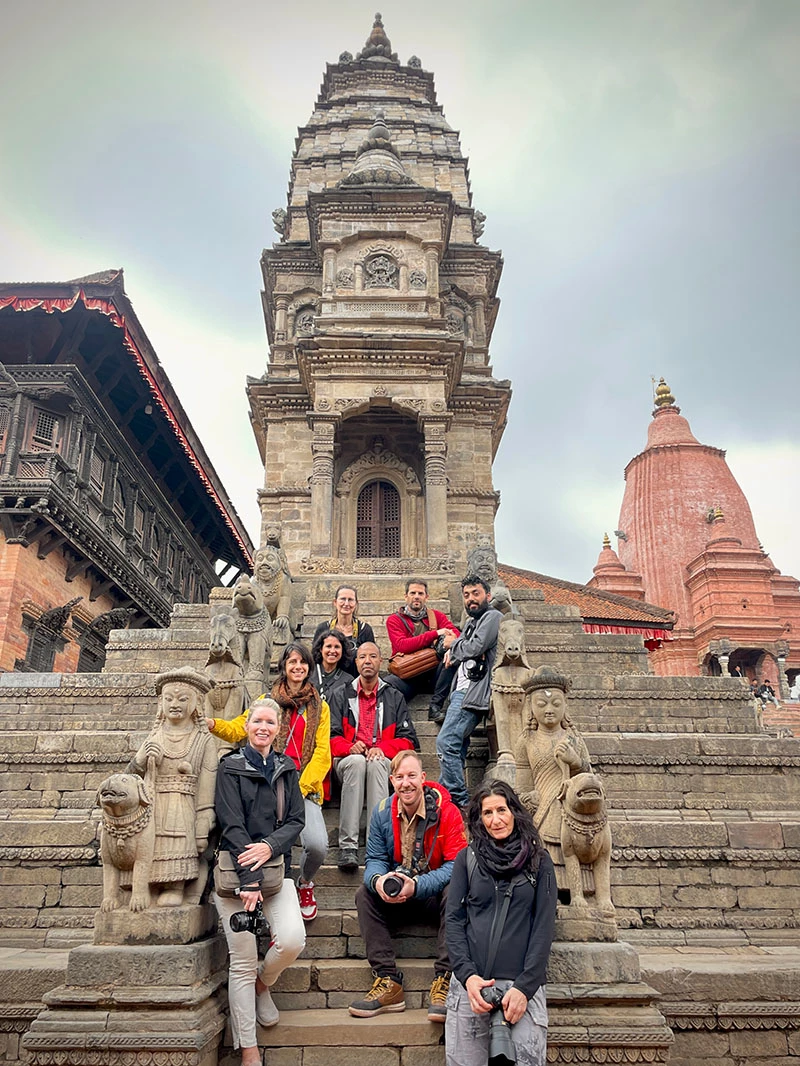
The World Heritage Site of Bhaktapur is the Mecca for architectural but also reportage photography. We are initiated into the Nepalese art of carving and can lose ourselves in thousands of temple carvings. In addition, this small town lets us experience life as it was hundreds of years ago.
Well rested, we will set off for Bhaktapur. After an exciting drive through the countryside, we will check into our exceptional hotel in the ancient center of this UNESCO heritage city. In the hotel’s own carpentry workshop we can admire Nepalese carving art. Of course, we will not miss the chance to document this craft! During the following city tour, we will lose ourselves in the rich detail of the woodwork of the numerous temples and observe the hustle and bustle of the place with our cameras. In the evening, the tranquil place offers a perfect backdrop for photographic walks. With the help of a tripod, the candlelit market stalls, shrines and house entrances can be captured particularly well. There will be inputs and experiments on photography at dusk and dark.
Day 7
Morning in Bhaktapur, then nature photography in Nagarkot
Nepali daily life is wonderful to observe on the streets of Bhaktapur. Overland we head towards the Himalayan Mountains. The largest mountain range in the world towers before us!
Waking up in Bhaktapur is something very special. The frolicking at the city fountain at dawn
takes us back many centuries. The water supply for a large part of the population is still
provided by public wells. These also serve as social meeting places and allow us to
experience the private life of Nepalis on the street.
Around noon we head towards Nagarkot. This place is known for its great views of the
Himalayan Mountains. In Nagarkot, we have the opportunity to enjoy the lush nature and
unobstructed view in front of our lens.
Day 8
Himalayan sunrise, photo selection and post-processing
Starting the day with a sunrise over the Himalayas! How high does 8000m actually look? The penultimate day is all about selecting and post-processing. We will find time to structure the yield of the last few days so as not to come back home with thousands of unsorted photos. In the group we will find our personal photographic highlights and post-process them for further use!
We will get up very early in order not to miss the sunrise over the Himalayan mountains. This sight will not only be burned into our camera chips but also into our memories. It will be one of those moments where we will push the limits of photography – nothing sees as impressively as the human eye.
We want to devote the rest of the day to the ‘yield’ of the holiday, but there is also time for walks in front of the Himalayan backdrop. We have the opportunity to sort out photos, discuss series, delete them and expose digital ones, view them on the projector and print them. This important step in photography should not only be started at home. There will be inputs for selecting and post-processing images, and we will exchange information about the compilation of image series. We also discuss ways to develop, print, publish, and submit images to contests.
Day 9
Departure
One last look at the Himalayan mountains before heading to the airport in Katmandu. Unfortunately it’s time to say goodbye!
It is said about Nepal: First you come for the country and then you come again for the people. Saying goodbye to the country and its people will be difficult… if you want, you can deepen your new knowledge of photography and explore the country individually! Everyone else can look forward to sharing their photographic impressions with friends, acquaintances, competitions, communities, forums and exhibitions.
Accommodation
Where do we stay?
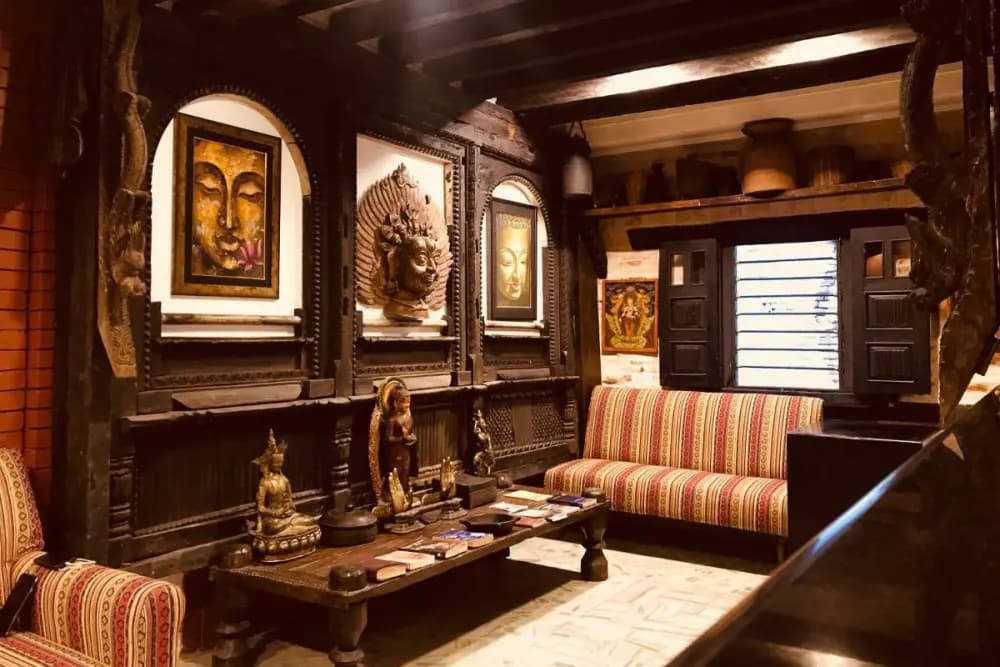
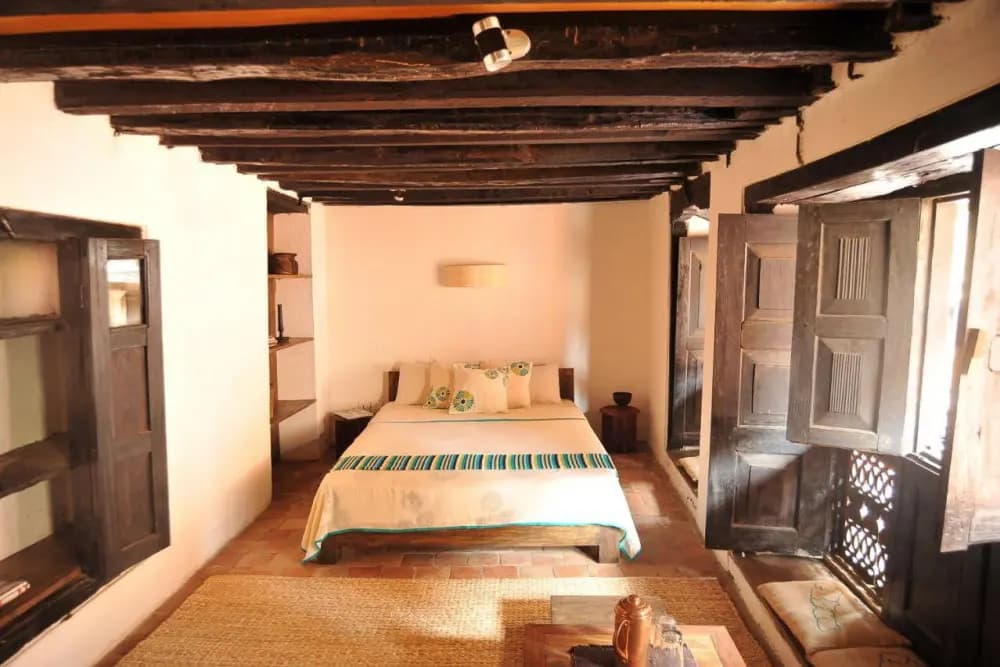
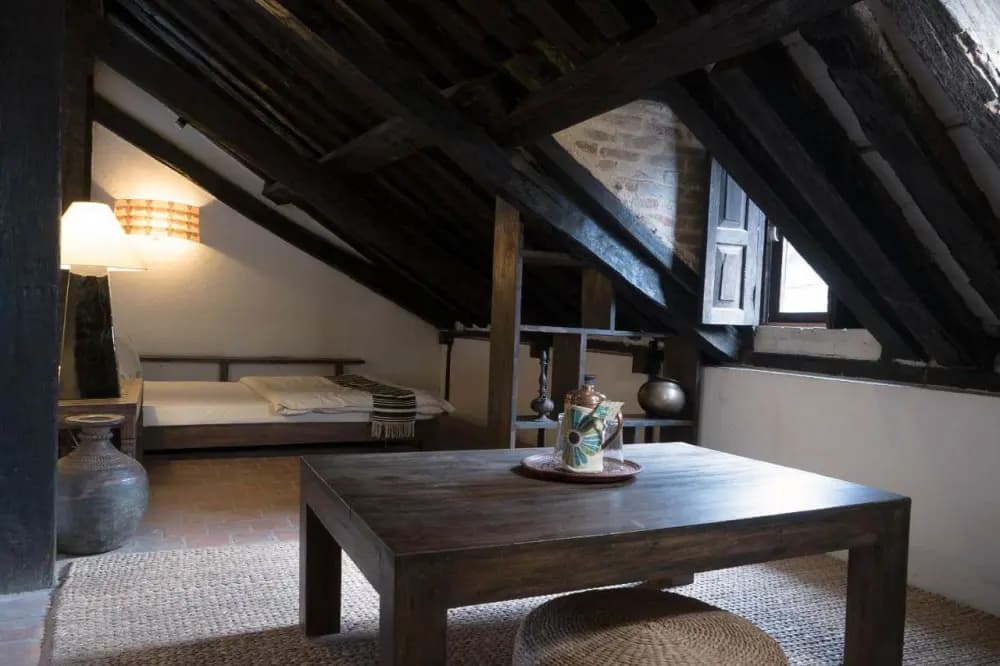
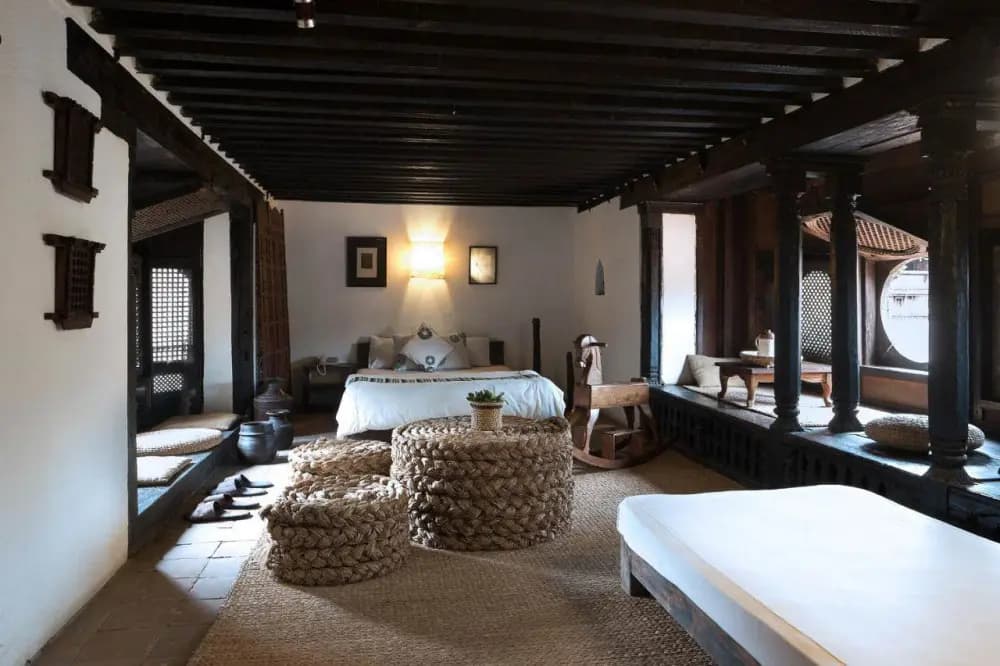
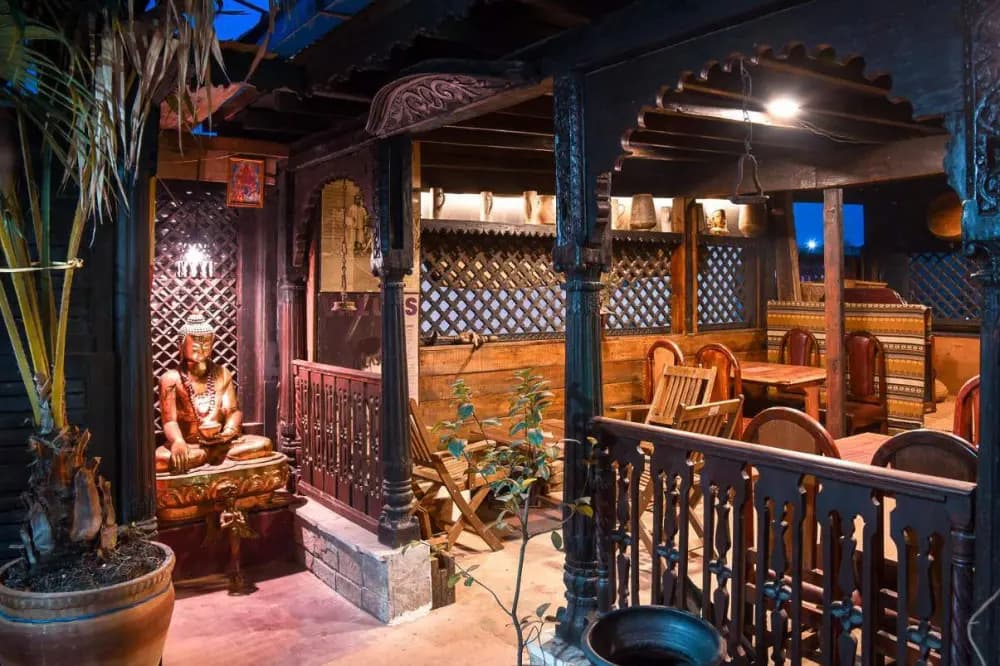
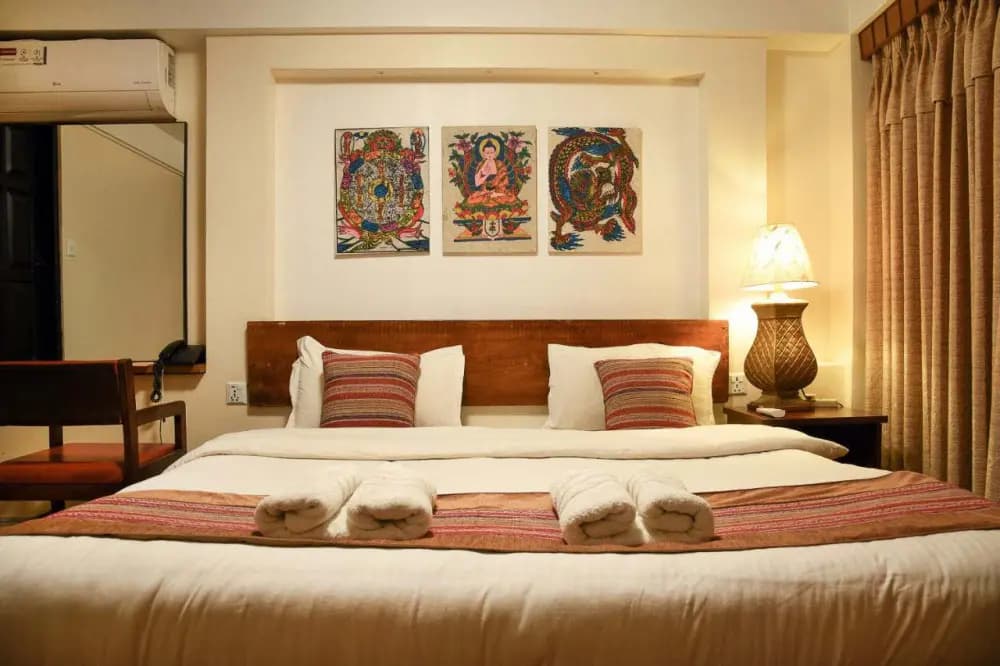
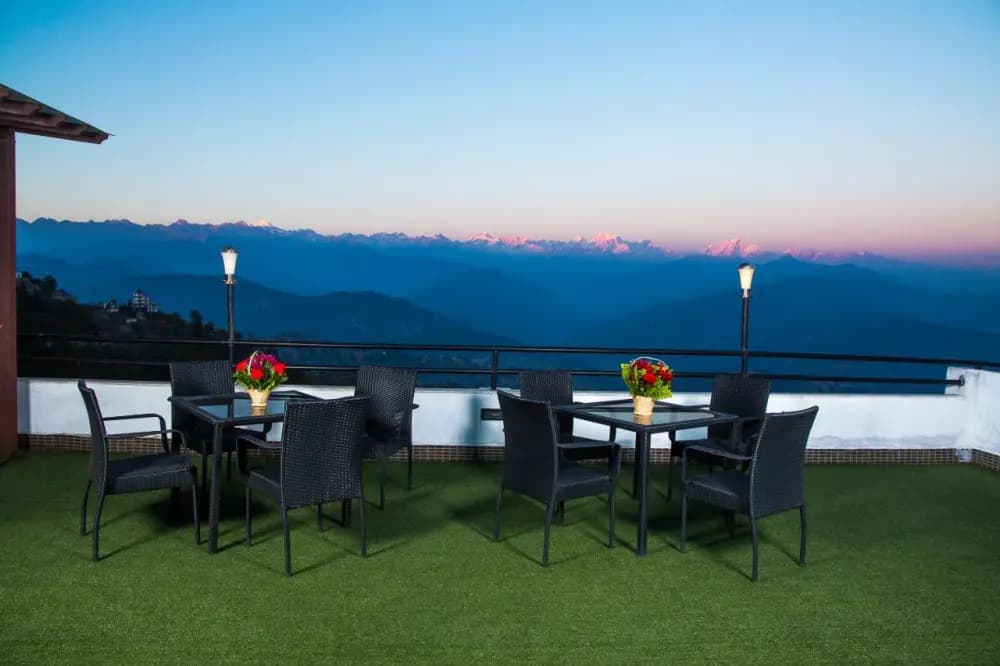
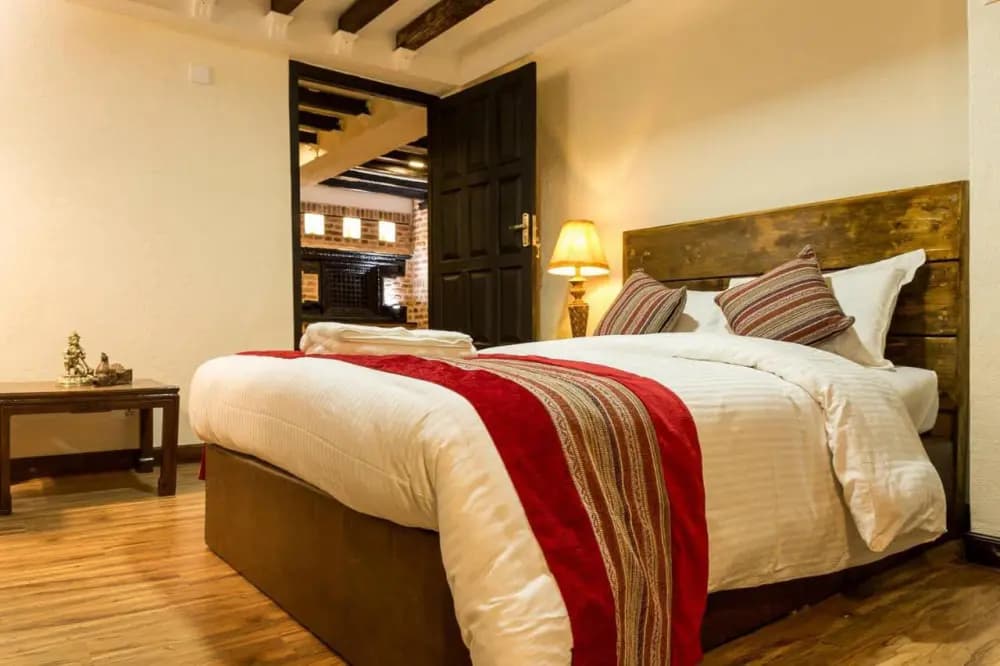
We will be accommodated in hotels that are of a very high standard by Nepalese standards. All hotels offer us enough space to look at the photos and have a special charm. Single and double rooms are available everywhere. Please indicate if you would like to be accommodated as a couple.
Be accommodated in Katmandú en el Hotel ‘Nepal Pavillion Inn’ en Bhaktapur en ‘Peacock Guest House’ y en Nagarkot en el ‘Hotel Himalayan Villa’. This information is not guaranteed and may change due to reservation options.
Included
- Daily photo workshops with theoretical and practical inputs
- All-round support by local guide (English speaking)
- All-round support by photo lecturer (English & German speaking)
- Discussion of your own photos & videos with beamer/projector, laptop and printouts
- Photo equipment to experiment with
- Macbook Pro post-processing of images
- Round trip airport transfer
- Private bus with driver
- Drinks and snacks for trips and excursions
- All hotel accommodation in single or double rooms
- Breakfast in the hotels
- Entrance fees and guided tours for selected sights
- Fees for national parks
- Three traditional Nepalese dinners together
- All-round photo support with tips and suggestions and always open to questions
Not included
- Flights to and from Kathmandu
- Visa (required for nearly all travelers)
- All insurances (basic, travel, cancellation, return travel and accident insurance)
- Meals and drinks not previously mentioned
- Gratuities and Personal Expenses
Previous trips
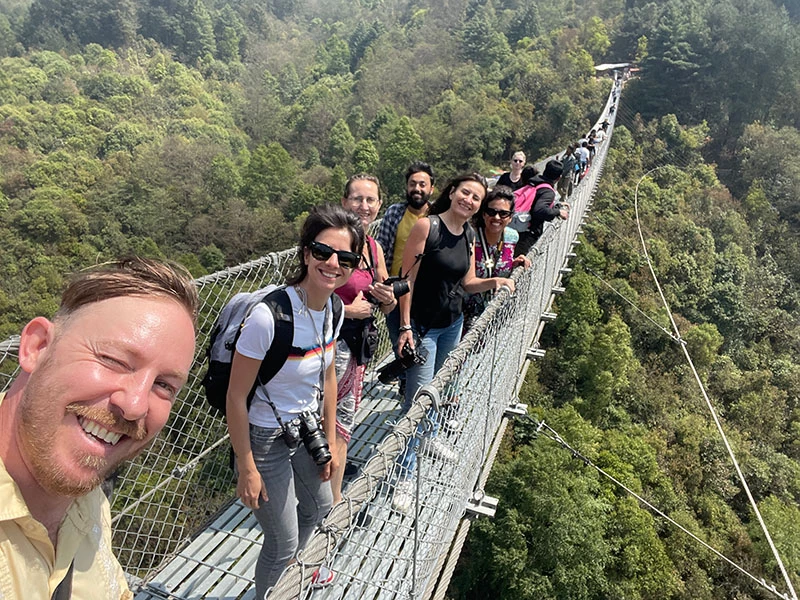
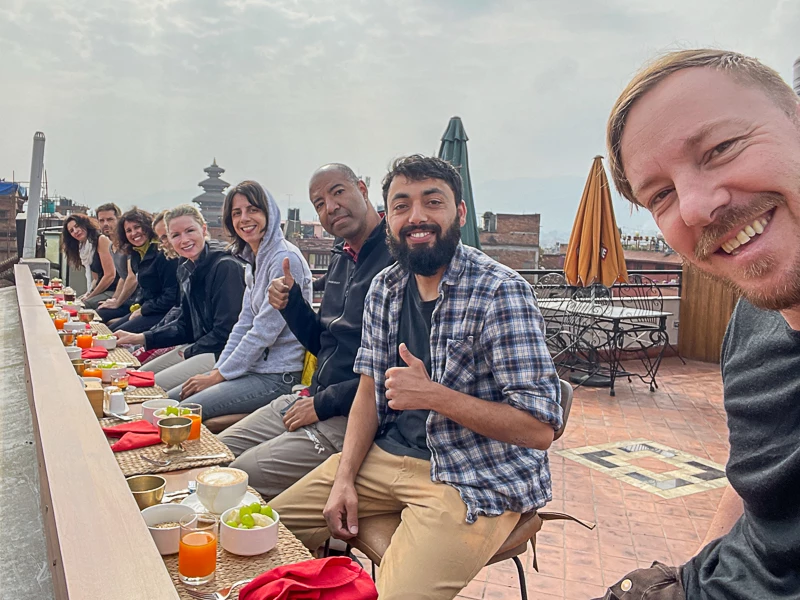
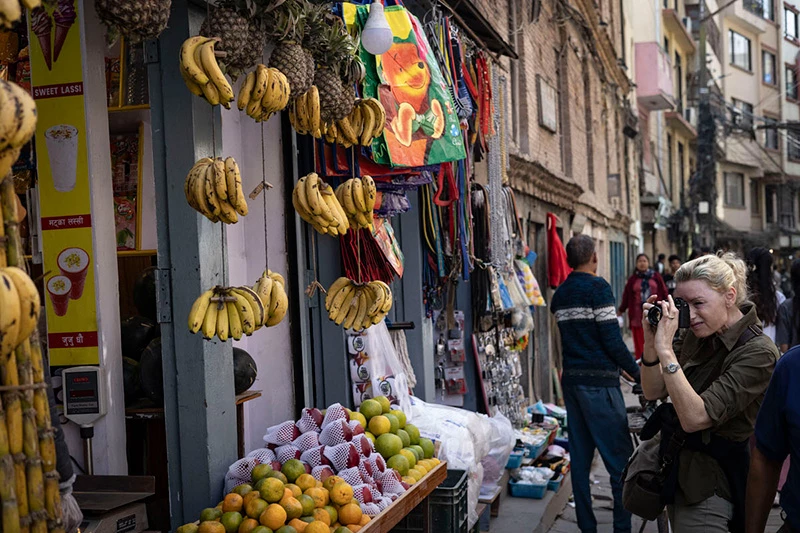
What happened last time
Your instructor
Daniel von Rüdiger
Daniel von RüdigerLanguage: Deutsch, English
Daniel von Rüdiger (Ph.D.) is a photographer, filmmaker, and musician. He studied Visual Communication, Communication Strategies and Iconic Research in Munich, Augsburg and Basel. He got his Ph.D. from the University of Art Linz for his investigation on the connection of rhythm in work, film and music. In his artistic research, he generates theoretic findings through artistic practice.
Daniel von Rüdiger uses photography as a tool for artistic expression as well as for documentation. He works as a social documentary photographer and filmmaker for nonprofit organizations in Nepal and Papua New Guinea. His photographs of the daily life of indigenous people have been exhibited amongst others in the Gropius Bau Berlin, Rietberg Museum Zurich and the Queensland Art Gallery in Brisbane. As a photo-artist, he is represented by the German-based gallery Pablo & Paul.
Daniel von Rüdiger uses his DSLR not just to take photos but also for filming. For the Museum of Culture in Basel, he made the award-winning documentary Kanu belong Keram. As a musician, he is also in charge of the soundtracks of his films. He forms together with the guitarist Carl the duo 0101 ( www.0101.wtf ) who produces film scores.
Daniel von Rüdiger can look back on more than ten years of teaching in academia. The last years he was lecturer for photography at the Academy of Art and Design, Basel. Besides, he is getting booked as a keynote speaker to spread his knowledge on rhythm and his experiences about Papua New Guinea.